Approximately 1 in 10 women will experience infertility, as claimed by the center for disease control and prevention.
The struggle with infertility can take a tremendous toll on affected couples especially when it seems they have exhausted their options. A change in diet may be just what you need!
True, no specific food can magically increase your prospects of conception, research has shown that a nutritious and well-balanced diet can certainly help support overall health, including reproductive health, in both men and women.
Please note that food choices may not improve serious conditions that cause infertility in women and men. For example endometriosis, blockage of fallopian tubes, Azoospermia, and PCOS. Until these underlying issues are addressed, infertility may continue.
It’s common to hear about the impact of alcohol and drugs on fertility, but do you know that there are foods that can negatively impact your chances of conceiving – for both men and women?
You have already heard you should focus on a diet filled with whole grains, healthy fats, vegetables, fruits, lean proteins and fibre to improve fertility in women and semen quality in men, but let’s dive into the foods you should be avoiding when trying to conceive.
1. PROCESSED MEAT
Pexels
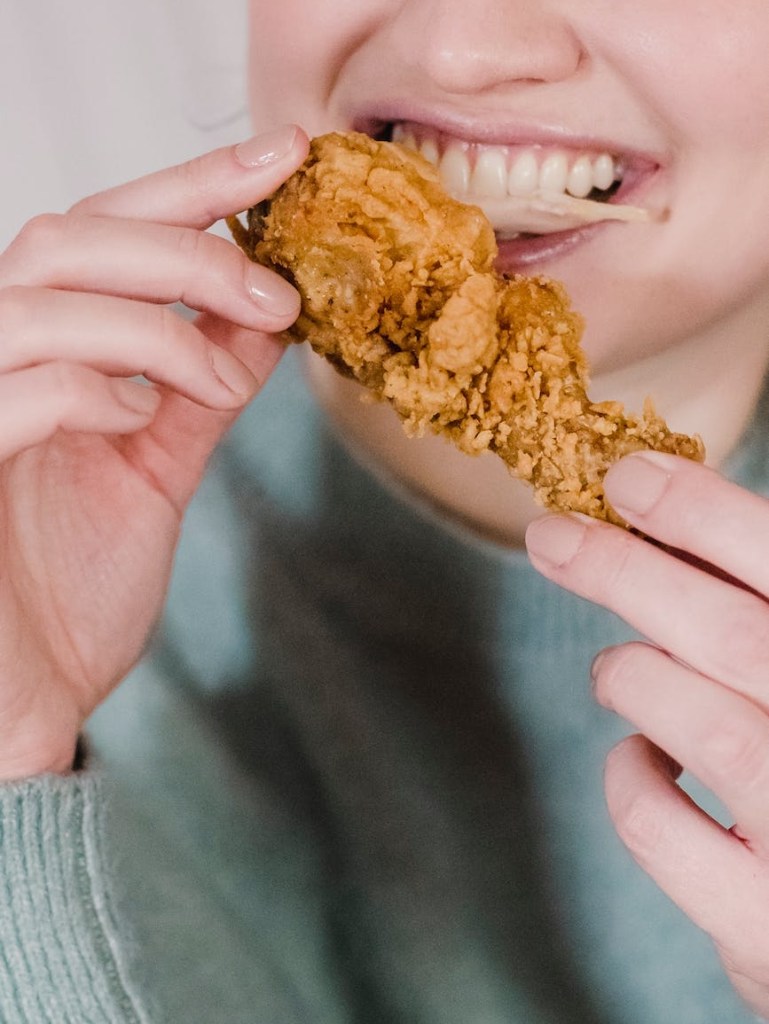
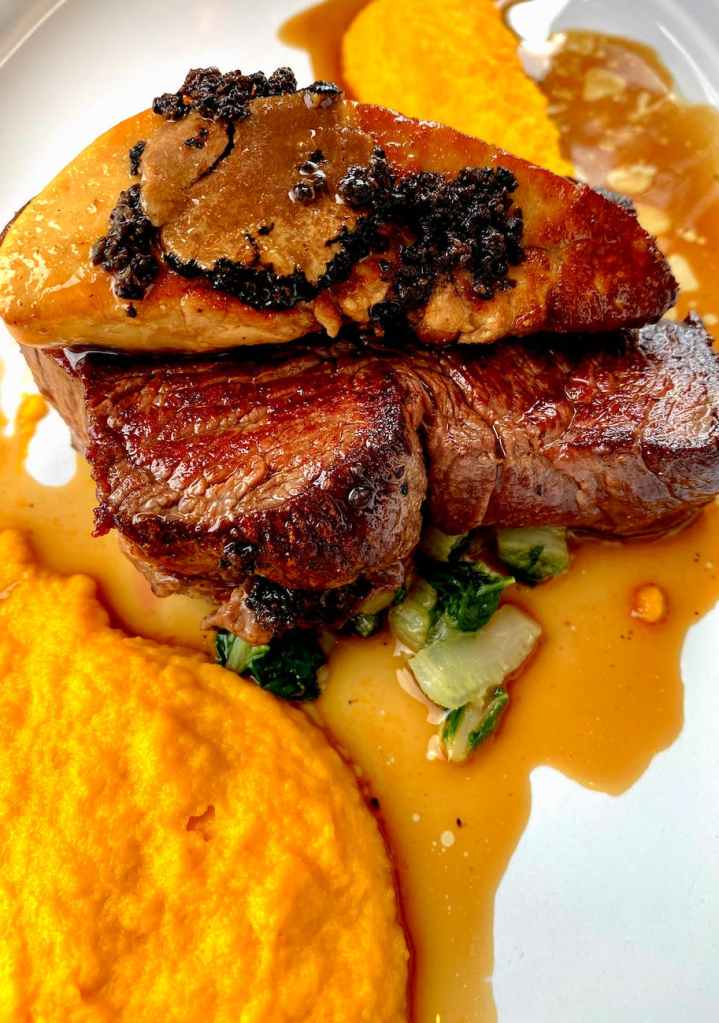
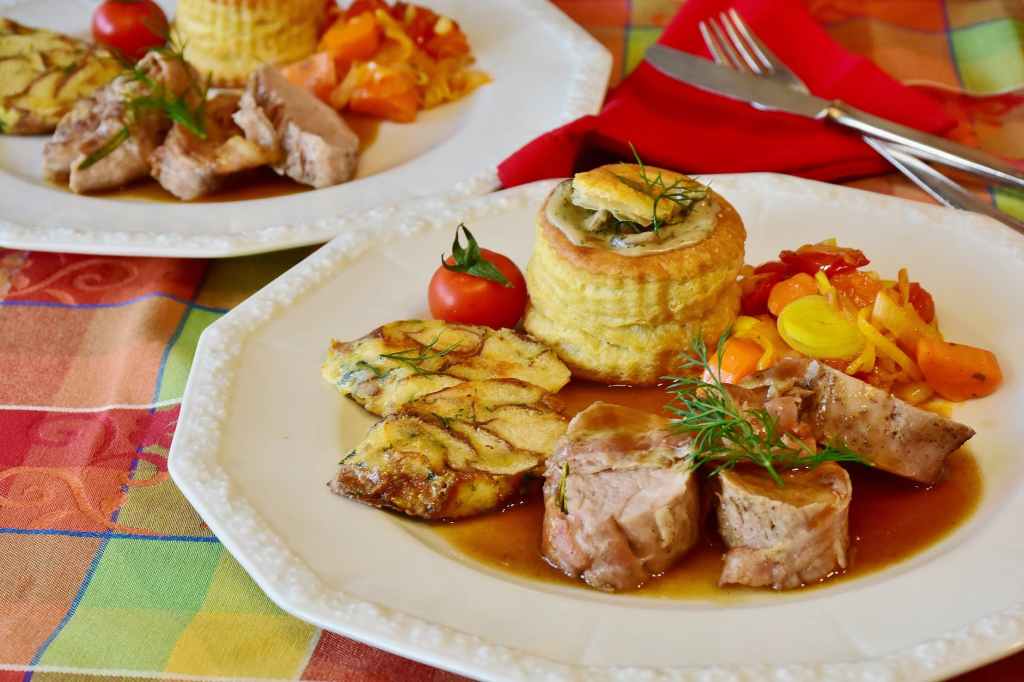
Looks appetizing? Well, research has shown processed red meat has a negative impact on fertility if eaten too regularly – especially for men! Women who were eating too much processed meat were also 40% more likely to have ovulatory dysfunction – and if you can’t ovulate regularly, you have fewer chances of conceiving naturally.
Just one extra serving of processed meat each day reflected a 32% higher risk of issues with ovulation!
(Afeiche et al., 2014)
2. MECURY – RICH FISH
Pexels
Small amounts of mercury present in everyday foods and products may not affect your health. Too much mercury, however, can be poisonous. It can influence the levels and function of estrogen and fertility in women. It can lead to conditions including polycystic ovary syndrome, premenstrual syndrome, premature menopause, and endometriosis. Hence, it is not good for anyone trying to concieve.
Women looking to conceive should limit the amount of mercury-rich fish they’re eating, such as shark, marlin and swordfish.
(Food Standards ANZ, 2019)
3. EXCESSIVE COFEE
Pexels
Let me guess? Giving up your morning coffee is impossible! Don’t worry, you don’t have to go to great lengths. 😊
Caffeine has been found to interfere with estrogen production which in turn can impact ovulation and other aspects of the menstrual cycle.
The current recommendation is that you limit your daily caffeine intake to 200mg per day if you’re trying to conceive. This is equivalent to 1 or 2 coffees a day. But, don’t forget caffeine is found in tea, chocolate and some soft drinks too and caffeine from these sources is included in your daily total.
4. SOFT DRINKS AND SODAS
Pexels
According to research presented at the American Society for Reproductive Medicine, it turns out a sweet-tooth plays unseen havoc with fertility. ‘Artificial sweeteners are chemical-based. If these chemicals get into the cytoplasm of an egg, they can negatively affect its quality, reducing a woman’s chance of getting pregnant. It could also lead to poor quality embryos and a higher risk of miscarriage,’ says Dr Geetha Venkat of the Harley Street Fertility Clinic. ‘And who knows what impact they are having on men’s sperm.’
So If you are trying to get pregnant, you might want to cut back on soda


 Mind and body
You must be logged in to post a comment.